




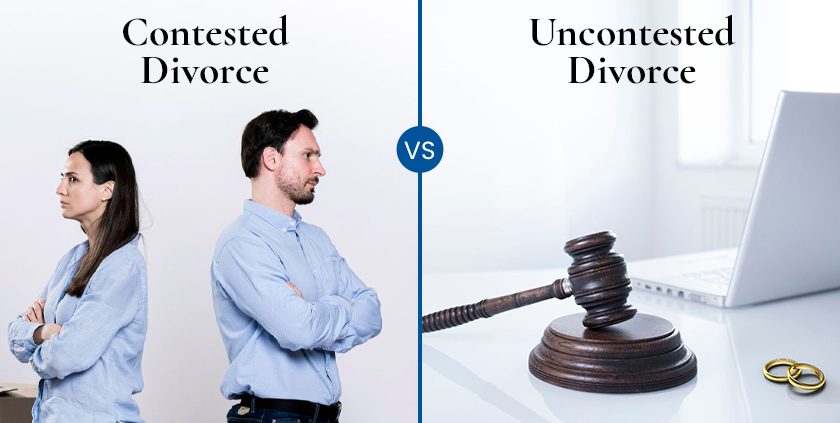
Divorce can follow different paths depending on how much spouses agree on key issues. The most significant distinction is whether the divorce is contested or uncontested. Understanding the differences helps individuals anticipate timelines, costs, and potential challenges.
While both types legally end a marriage, the process and complexity can vary significantly.
What Is an Uncontested Divorce?
An uncontested divorce occurs when both spouses agree on all major issues before going to court. These issues typically include:
- Division of marital property
- Allocation of debts
- Child custody and visitation
- Child support
- Spousal support (if applicable)
Because there are no disputes requiring judicial intervention, the court’s role is primarily administrative—reviewing the agreement to ensure it complies with the law and protects any children involved.
Key Characteristics of Uncontested Divorce
- Mutual agreement on all terms
- Shorter court involvement
- Lower legal costs
- Faster resolution
- Reduced emotional strain
Uncontested divorces are often finalized after submitting a written settlement agreement and attending a brief court hearing, if required.
What Is a Contested Divorce?
A contested divorce arises when spouses cannot agree on one or more critical issues. Disputes may involve:
- Child custody arrangements
- Property division
- Financial support
- Valuation of assets
- Allegations of misconduct
In this situation, the court becomes directly involved in resolving disagreements through hearings or a full trial.
Key Characteristics of Contested Divorce
- Formal litigation process
- Discovery and evidence exchange
- Court hearings and possible trial
- Higher legal expenses
- Longer timeframe
Judges ultimately decide unresolved matters based on applicable laws and the evidence presented.
Major Differences Between Contested and Uncontested Divorce
1. Timeframe
- Uncontested divorce: Often finalized within a few months, depending on court processing times.
- Contested divorce: May take many months or even years, especially if complex assets or custody disputes are involved.
2. Cost
- Uncontested cases typically involve lower attorney fees and fewer court appearances.
- Contested cases can be significantly more expensive due to litigation, expert witnesses, and extended proceedings.
3. Court Involvement
- Minimal in uncontested cases.
- Extensive in contested cases, including motions, hearings, and trial.
4. Emotional Impact
- Cooperative negotiations tend to reduce stress in uncontested divorces.
- Adversarial proceedings in contested divorces often increase tension and conflict.
5. Privacy
- Uncontested divorces generally involve less public exposure.
- Contested cases may require detailed financial and personal information to be presented in open court.
Common Issues That Lead to Contested Divorce




Certain disagreements frequently escalate a divorce into litigation:
- Disputes over business ownership
- Hidden or undervalued assets
- High-conflict custody battles
- Significant income disparities
- Allegations of domestic misconduct
When communication breaks down, professional intervention becomes necessary.
Can a Contested Divorce Become Uncontested?
Yes. Many contested divorces eventually settle before trial. Through:
- Mediation
- Settlement conferences
- Attorney negotiations
Spouses may resolve disputes and convert the case into a negotiated agreement, avoiding further litigation.
Which Option Is Better?
There is no universally “better” option. The appropriate path depends on:
- Willingness to cooperate
- Complexity of financial assets
- Parenting disagreements
- Level of trust between spouses
An uncontested divorce is generally more efficient when both parties are transparent and cooperative. However, litigation may be necessary when fairness or safety is at risk.
Frequently Asked Questions (FAQs)
1. Do both spouses need separate attorneys in an uncontested divorce?
While not always required, independent legal advice is recommended to ensure each party fully understands the agreement.
2. What happens if spouses agree on most issues but not all?
The divorce becomes contested until the remaining disputes are resolved, either through negotiation or court intervention.
3. Is mediation mandatory before a contested divorce goes to trial?
In many jurisdictions, courts require or strongly encourage mediation, particularly for custody disputes.
4. Can child support be waived in an uncontested divorce?
Generally, child support must comply with statutory guidelines, and courts prioritize the child’s best interests.
5. Does a contested divorce always end in a trial?
No. Many contested cases settle before trial through negotiation or mediation.
6. Are court fees different for contested and uncontested divorces?
Initial filing fees are often similar, but contested cases accumulate additional costs through motions, hearings, and expert involvement.
7. Can property division be modified after the divorce is final?
Property division is usually final once the decree is issued, though fraud or undisclosed assets may justify reopening the case.
Understanding the distinction between contested and uncontested divorce allows individuals to prepare for the legal, financial, and emotional aspects of ending a marriage. Careful planning and informed decision-making can significantly influence the outcome and overall experience.