


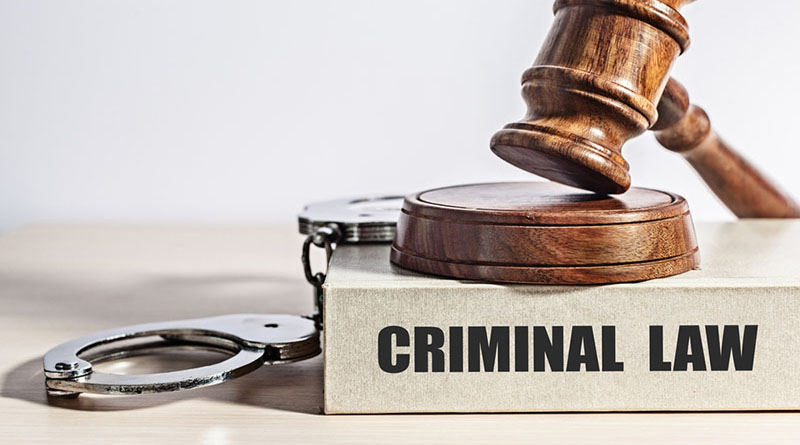

Criminal Law

Criminal Law

The Criminal Trial Process Explained Step by Step

A criminal trial is the formal process through which the court determines whether a defendant is guilty or not guilty of a charged offense. While procedures vary slightly by jurisdiction, the core structure of a criminal trial remains consistent. Understanding each stage helps clarify what happens in court and why every step matters.

Below is a clear, step-by-step explanation of the criminal trial process.

1. Investigation and Arrest

The process typically begins with a criminal investigation. Law enforcement officers:

  • Gather physical evidence
  • Interview witnesses
  • Review surveillance or digital records
  • Identify suspects

If sufficient evidence exists, an arrest may occur. In some cases, authorities obtain an arrest warrant from a judge. After arrest, the suspect is taken into custody and informed of the charges.

2. Charging Decision

Prosecutors review the evidence collected by law enforcement. They determine:

  • Whether there is probable cause
  • Which specific criminal charges to file
  • The severity of those charges

In serious felony cases, a grand jury may review evidence and issue an indictment.

3. Initial Appearance and Arraignment

At the initial court appearance:

  • The charges are formally read
  • The defendant is informed of legal rights
  • Bail or release conditions are addressed

During the arraignment, the defendant enters a plea:

  • Guilty
  • Not guilty
  • No contest (in some jurisdictions)

If a not guilty plea is entered, the case proceeds toward trial.

4. Pretrial Proceedings

Before trial, both sides engage in preparation and procedural steps, including:

Discovery

The prosecution and defense exchange evidence. This may include:

  • Police reports
  • Witness statements
  • Expert reports
  • Physical or forensic evidence

Motions

Attorneys may file motions to:

  • Suppress improperly obtained evidence
  • Dismiss certain charges
  • Limit testimony

Pretrial hearings allow the judge to resolve legal issues before trial begins.

5. Jury Selection (Voir Dire)

If the defendant has the right to a jury trial, the court selects impartial jurors through a process known as voir dire.

Attorneys for both sides question potential jurors to identify bias or conflicts of interest. Each side may:

  • Request removal of jurors for cause
  • Use a limited number of peremptory challenges

The goal is to assemble a fair and unbiased jury.

6. Opening Statements

Once the jury is sworn in, the trial begins with opening statements.

  • The prosecution outlines its case and the evidence it plans to present.
  • The defense provides its theory of the case and highlights weaknesses in the prosecution’s claims.

Opening statements are not evidence; they are roadmaps of what each side intends to prove.

7. Presentation of Evidence

This stage forms the core of the trial.

Prosecution’s Case-in-Chief

The prosecution presents evidence first, including:

  • Witness testimony
  • Expert analysis
  • Documents and physical evidence

The defense has the right to cross-examine each witness.

Defense Case

After the prosecution rests, the defense may:

  • Present its own witnesses
  • Introduce evidence
  • Challenge credibility

The defendant is not required to testify and cannot be forced to do so.

8. Closing Arguments

Both sides summarize the evidence and argue how the jury should interpret it.

  • The prosecution must prove guilt beyond a reasonable doubt.
  • The defense emphasizes inconsistencies, lack of proof, or alternative explanations.

Closing arguments aim to persuade the jury before deliberation begins.

9. Jury Instructions and Deliberation

The judge provides instructions explaining:

  • Applicable laws
  • Legal standards
  • Burden of proof

The jury then deliberates privately. They review evidence, discuss testimony, and attempt to reach a unanimous verdict (in most jurisdictions).

Possible outcomes include:

  • Guilty
  • Not guilty
  • Hung jury (no unanimous decision)

10. Verdict

Once deliberations conclude, the jury returns to the courtroom and announces the verdict.

  • A not guilty verdict results in acquittal.
  • A guilty verdict moves the case to sentencing.
  • A hung jury may lead to a retrial.

11. Sentencing

If convicted, the court schedules a sentencing hearing. The judge considers:

  • Sentencing guidelines
  • Aggravating or mitigating factors
  • Victim impact statements
  • Defendant’s background

Penalties may include:

  • Fines
  • Probation
  • Community service
  • Imprisonment

12. Appeals

After conviction and sentencing, the defendant may file an appeal. An appellate court reviews whether:

  • Legal errors occurred
  • Constitutional rights were violated
  • The trial process was fair

Appeals do not involve new evidence but focus on legal procedure.

Frequently Asked Questions (FAQs)

1. How long does a criminal trial typically last?

The duration depends on the complexity of the case. Some trials last a single day, while others may continue for weeks or months.

2. Can a case end before reaching trial?

Yes. Many criminal cases resolve through plea agreements, dismissals, or diversion programs before trial begins.

3. What happens if a juror becomes unavailable during trial?

Depending on the situation, an alternate juror may replace them. If no alternates remain, a mistrial could occur.

4. Is the defendant required to testify?

No. The defendant has a constitutional right not to testify, and the jury cannot interpret silence as guilt.

5. What is the burden of proof in a criminal trial?

The prosecution must prove guilt beyond a reasonable doubt, which is the highest standard in the legal system.

6. Can new evidence be introduced during an appeal?

Generally, no. Appeals focus on reviewing legal errors made during the original trial, not introducing new facts.

7. What is a mistrial?

A mistrial occurs when a trial is invalid due to significant procedural error or a hung jury, often resulting in a new trial.

Understanding the criminal trial process reduces uncertainty and highlights the structured safeguards built into the justice system. Each step—from investigation to appeal—serves a defined purpose in ensuring fairness, accountability, and due process.

read more
Criminal Law

What to Do Immediately After a Criminal Charge

Being charged with a crime is overwhelming. The hours and days that follow are critical. Decisions made during this period can significantly affect the outcome of your case. Acting calmly, deliberately, and with proper legal guidance is essential.

This guide outlines practical steps to take immediately after a criminal charge to protect your rights and position yourself for the strongest possible defense.

Stay Calm and Exercise Your Right to Remain Silent

One of the most important protections available is the right to remain silent. Anything you say can potentially be used against you in court.

If questioned by law enforcement:

  • Politely state that you wish to remain silent
  • Request an attorney immediately
  • Avoid explaining, arguing, or volunteering information
  • Do not discuss the case with anyone except your lawyer

Even informal conversations or social media posts can become evidence.

Contact a Criminal Defense Attorney Immediately

A qualified defense attorney provides guidance from the outset. Early legal involvement can:

  • Protect you during police questioning
  • Review the charges and potential penalties
  • Advise on bail and release conditions
  • Begin building a defense strategy

Do not delay seeking legal representation. The sooner an attorney becomes involved, the more effectively they can protect your rights.

Understand the Charges Against You

Carefully review the formal charges. Criminal offenses vary in severity and consequences, ranging from misdemeanors to felonies.

Ask your attorney to explain:

  • The exact legal elements of the charge
  • Potential penalties (fines, probation, imprisonment)
  • Long-term consequences such as criminal records
  • Possible defenses

Clarity at this stage helps reduce uncertainty and supports informed decision-making.

Secure Bail and Follow All Conditions

Image

If bail is granted, comply strictly with all release conditions. These may include:

  • Travel restrictions
  • No-contact orders
  • Regular check-ins
  • Electronic monitoring

Violating bail terms can result in immediate re-arrest and additional charges.

Preserve Evidence and Document Details

Memories fade quickly. Write down everything you recall about:

  • The incident
  • Interactions with law enforcement
  • Names of witnesses
  • Timeline of events

Also:

  • Preserve relevant documents, messages, or receipts
  • Avoid altering or destroying any potential evidence

Share all information with your attorney—even details you believe are minor.

Avoid Discussing the Case Publicly

Refrain from discussing the case with friends, coworkers, or online contacts. This includes:

  • Social media posts
  • Private messages
  • Emails
  • Text messages

Prosecutors can subpoena digital communications. Silence outside your legal team protects your defense.

Prepare for Your First Court Appearance

The initial court appearance, often called an arraignment, typically involves:

  • Formal reading of charges
  • Entering a plea
  • Discussion of bail or release conditions

Arrive on time, dress professionally, and follow your attorney’s guidance carefully.

Consider the Broader Impact

A criminal charge may affect:

  • Employment
  • Professional licenses
  • Immigration status
  • Child custody arrangements

Discuss these potential consequences with your attorney early so strategies can address both immediate and long-term risks.

Focus on Stability and Compliance

During the legal process:

  • Attend all court dates
  • Comply with court orders
  • Avoid further legal trouble
  • Maintain stable employment if possible

Demonstrating responsibility and compliance can positively influence case outcomes.

Frequently Asked Questions (FAQs)

1. Should I speak to police if I believe I am innocent?

Even if innocent, it is safer to consult an attorney before making any statements. Innocent explanations can be misunderstood or misinterpreted.

2. What happens if I cannot afford a lawyer?

You may be eligible for a court-appointed attorney, depending on your financial situation.

3. Can charges be dropped before trial?

Yes. Charges may be dismissed due to insufficient evidence, procedural errors, or successful negotiations by your attorney.

4. How long does a criminal case usually take?

The timeline varies depending on the complexity of the case, court schedules, and whether the case resolves through plea negotiations or trial.

5. Will a criminal charge automatically result in a conviction?

No. A charge is an allegation. The prosecution must prove guilt beyond a reasonable doubt.

6. Can I travel while my case is pending?

Travel restrictions may apply, especially if bail conditions limit movement. Always seek court approval before traveling.

7. What is the difference between a charge and an indictment?

A charge is a formal accusation filed by prosecutors, while an indictment typically results from a grand jury determining there is sufficient evidence to proceed.

Facing a criminal charge is serious, but informed and timely action can significantly influence the outcome. Protect your rights, secure legal representation, and approach each step with careful attention.

read more
Criminal Law

Understanding Commercial Law: A Practical Guide for Modern Businesses

Commercial law shapes how businesses operate, compete, and resolve disputes. From drafting contracts to protecting intellectual property, it provides the legal framework that keeps commerce predictable and enforceable. For modern businesses navigating global markets and digital transactions, understanding commercial law is not optional—it is essential.

What Is Commercial Law?

Commercial law, often referred to as business law, governs the rights, relationships, and conduct of individuals and businesses engaged in trade and commerce. It applies to transactions involving goods, services, finance, and corporate operations.

At its core, commercial law ensures:

  • Fair and enforceable agreements
  • Transparent market practices
  • Protection of assets and intellectual property
  • Efficient dispute resolution mechanisms

It operates at both domestic and international levels, adapting to technological innovation and cross-border trade.

Key Areas of Commercial Law

1. Contract Law

Contracts form the backbone of commercial activity. A legally valid contract typically requires:

  • Offer
  • Acceptance
  • Consideration
  • Intention to create legal relations

Modern businesses must pay attention to:

  • Clear terms and conditions
  • Limitation of liability clauses
  • Termination provisions
  • Confidentiality agreements
  • Electronic contract enforceability

Well-drafted contracts reduce ambiguity and minimize litigation risk.

2. Corporate Governance

Corporate governance regulates how companies are structured and managed. It defines the responsibilities of directors, shareholders, and officers.

Key components include:

  • Fiduciary duties of directors
  • Shareholder rights and voting mechanisms
  • Disclosure obligations
  • Regulatory compliance

Strong governance protects investors, enhances transparency, and strengthens market confidence.

3. Intellectual Property Protection

In knowledge-driven economies, intellectual property (IP) is often a company’s most valuable asset.

Commercial law protects:

  • Trademarks – brand identifiers
  • Patents – inventions and innovations
  • Copyrights – creative works
  • Trade secrets – confidential business information

Failure to protect IP can lead to revenue loss and competitive disadvantage.

4. Commercial Transactions and Sales of Goods

Commercial law governs the sale and distribution of goods, covering:

  • Transfer of ownership
  • Risk allocation
  • Delivery obligations
  • Warranties and guarantees

Clear rules ensure predictability in domestic and international trade. Businesses engaged in cross-border transactions must also consider import/export regulations and international trade agreements.

5. Competition and Consumer Protection

Regulatory frameworks aim to maintain fair competition and prevent anti-competitive conduct such as:

  • Price-fixing
  • Abuse of dominant market position
  • Cartel arrangements

Consumer protection laws also require:

  • Accurate advertising
  • Product safety compliance
  • Fair refund and return policies

Violations can result in substantial penalties and reputational damage.

6. Employment and Labor Regulations

Employers must comply with laws governing:

  • Employment contracts
  • Workplace safety
  • Anti-discrimination policies
  • Wage and hour standards

Non-compliance can trigger lawsuits, fines, and operational disruption.

Commercial Dispute Resolution

Image

Image

Image

Image

Even with strong contracts, disputes are sometimes unavoidable. Commercial law offers several resolution pathways:

Litigation

Formal court proceedings that result in a binding judgment. It can be costly and time-consuming but provides authoritative outcomes.

Arbitration

A private dispute resolution process where an arbitrator renders a binding decision. Frequently used in international contracts.

Mediation

A facilitated negotiation process aimed at reaching a voluntary settlement.

Many businesses include dispute resolution clauses in contracts to define the preferred method in advance.

The Impact of Digital Transformation

Modern commerce increasingly operates online. As a result, commercial law now addresses:

  • Electronic signatures and digital contracts
  • Data protection and cybersecurity
  • E-commerce compliance
  • Cross-border digital services

Companies must ensure regulatory compliance across jurisdictions, especially when handling customer data.

Risk Management Through Legal Compliance

Proactive legal management can prevent costly setbacks. Businesses should:

  • Conduct regular legal audits
  • Update contracts periodically
  • Implement compliance training programs
  • Monitor regulatory changes
  • Maintain proper documentation

Legal risk management is not merely defensive—it strengthens operational stability and investor confidence.

Why Commercial Law Matters for Business Growth

Understanding commercial law enables businesses to:

  • Structure deals efficiently
  • Protect assets and reputation
  • Navigate regulatory environments
  • Build trust with partners and customers
  • Expand confidently into new markets

Legal literacy empowers leaders to make informed decisions that balance opportunity with risk.

Frequently Asked Questions (FAQs)

1. How does commercial law differ from civil law?

Commercial law specifically governs business and trade activities, while civil law covers broader private disputes between individuals or organizations.

2. Do small businesses need commercial law expertise?

Yes. Even startups and small enterprises rely on contracts, employment agreements, and regulatory compliance that fall under commercial law.

3. Can commercial law vary between countries?

Absolutely. While principles may be similar, regulations, enforcement mechanisms, and compliance requirements differ significantly across jurisdictions.

4. What are the risks of poorly drafted contracts?

Ambiguous or incomplete contracts can lead to disputes, financial losses, unenforceable terms, and damaged business relationships.

5. Is arbitration always better than litigation?

Not necessarily. Arbitration can be faster and private, but litigation may be preferable when public precedent or appeal rights are important.

6. How often should businesses review their legal compliance?

Regular reviews—at least annually or after major regulatory changes—help ensure ongoing compliance and reduce legal exposure.

7. What role does commercial law play in mergers and acquisitions?

It governs due diligence, transaction structuring, regulatory approvals, and contractual obligations to ensure the legality and enforceability of the deal.

Understanding commercial law is not reserved for legal professionals alone. For modern businesses operating in dynamic markets, it is a strategic tool—one that safeguards operations, supports innovation, and fuels sustainable growth.

read more
Criminal Law

All about an LLC

A Limited liability company (LLC) is a mainstream decision among entrepreneurs for the risk insurance, the executive’s adaptability, and duty benefits that a LLC regularly gives. Understanding the advantages and inconveniences, forming an LLC, where to form an LLC, and other vital themes is fundamental for business achievement.

Like a partnership, a Limited liability company (LLC) gives individual obligation assurance to its proprietors, known as “individuals.” But an LLC is more adaptable than an enterprise. An enterprise is overseen and burdened, and thus benefits and misfortunes can’t be designated among its individuals.

An LLC can have its resources. It can sign leases, advance archives, and different kinds of agreements, documenting a claim. Since an LLC is legitimately a foreign substance, LLC individuals aren’t responsible for business obligations and commitments.

Instructions to form an LLC 

Stage 1: Choose a State in Which to Form Your LLC 

You can decide to form an LLC in any state, regardless of whether the LLC will not be doing any business there.

It’s critical to note that the expense, tax collection, and LLC laws change from one state to another, making a few states more beneficial for confident entrepreneurs. Peruse more about “working together as” (DBA) name or business trademark and might need to utilize that as their LLC’s legal name.

Stage 2: Choose an enrolled specialist 

Forming an LLC or enlisting a current LLC to execute business in a state, you are needed to have an enrolled specialist in the condition of development or capability. Numerous new entrepreneurs are either new to the term enlisted specialist or don’t have the foggiest idea about the motivation behind an enrolled specialist.

Stage 3: Prepare an LLC Operating Agreement 

An LLC working understanding is needed in virtually every state. Also, in many states, it tends to be oral. It is strongly suggested that each LLC have a composed working arrangement.

Stage 4: File Your LLC with Your State 

To make your new LLC authoritatively, you should record Certificate of Organization, Certificate of Formation, or Articles of Organization with the Secretary of State’s office or whichever office handles business filings in the state in which you are framing.

Stage 5: Obtain an EIN 

After setting up the business substance, you should apply to the Internal Revenue Service for a business recognizable proof number (EIN). This is the recognizable proof number which your LLC will use on the entirety of its ledgers, just as pay and work charge filings.

Stage 6: Open a Business Bank Account 

This progression is certifiably not a lawful necessity however is a key practice for any individual who is making an LLC and is one of the means laid out in our guide.

Stage 7: Register to work together in different states (if necessary) 

On the off chance that the LLC you framed will be working together in something other than the arrangement state, you should enroll in each state. That, for the most part, requires documenting an application for power with the Secretary of State.

Choose Where to Form Your LLC 

  • To form an LLC, you should document administrative work with the state. Most entrepreneurs will enter the state where their business is found.
  • Anticipate that your company should work together in various states; you may have a selection of states for your LLC development.
  • Consider comfort and whether there might be higher duties or recordkeeping prerequisites in a single state than another.

Advantages of framing an LLC 

The advantages to forming an LLC, instead of working as sole ownership or general organization, or framing a partnership, typically exceed any apparent inconveniences.

  • Restricted obligation: Members are protected from individual responsibility for demonstrations of the LLC and its different individuals.
  • The executives: since the limited liability company is formed by a group of individuals, the executives will definitely have a very upper hand in all kinds of managerial activities. You will have the best from all walks of life.
  • Pass-through tax assessment: LLCs regularly don’t pay charges at the business level. Any business payor misfortune is going through to proprietors and providing details regarding their annual government forms. Any expense due is paid at the individual level.
  • Increased validity: Starting an LLC may assist another business with building up believability more so if the business has previously worked as sole ownership or organization.

Wrapping up

Setting up an LLC isn’t troublesome, yet it’s critical to follow your state’s prerequisites. When your LLC is set up, you’ll have acquired significant assurance for yourself and your business.

read more
Criminal Law

HOW TO TELL IF A CRIMINAL LAWYER IS GOOD IN HANDLING CASES? LEARN IT HERE.

There are a lot of law experts believe that the best criminal lawyers possess these skills that win a case undoubtedly. These are the ability to investigate, negotiate, defend technically in a legal way, and most of all the ability to win during the trial.

The title of the criminal lawyer must go beyond just what the prefix of the name of the lawyer, and most often times, falsely accused persons ended up being incarcerated for the crime that they did not commit in the first place.

There is a prevalence of false allegations which leads to a conviction in the United States. This injustice has been prevalent for a long time because of incompetent criminal defense attorneys and corrupt justice system that favors the powerful and influential people. In fact, there is an approximate five percent of the rape allegations in the United States that were deemed false or baseless at all.

And what makes it alarming is that it was five times higher than for the most other types of offenses that were committed which makes it a fact that not all allegations of crime are true at all. Not to mention the public outrage it creates against the accused which affects their life negatively.

There are a lot of law firms that offer criminal lawyers as part of its service, but the question is, are you really getting the best one? In this article, let us talk what makes a good criminal lawyer so that if you are facing criminal charges that you did not do in the first place, you will certainly have the knowledge to find the best and the finest criminal lawyer out there by following these steps.

INVESTIGATING EXTENSIVELY

Over-investigating the case is a very important thing that a criminal defense lawyer or attorney should do in handling a case. This is where they can come up with a concrete defense against the accusers and to the court. It is one of the best difference in lawyers on how they independently investigate a case.

NEGOTIATE EFFECTIVELY

According to a veteran New York criminal lawyer, a reliable criminal or defense attorney has a strong negotiating skills that can often resolve a crime that does not require harsh punishment. You should look for a criminal lawyer who considers negotiating as a very important aspect in earning a victory in the court. A good and effective criminal lawyer negotiates in two ways, they determine first what is the most suitable punishment for their clients in case that the accusers pose a very favorable outcome in the case, because this will result to a lighter punishment for the accused, and second, they offer the best deals to reach out an agreement between both parties.

PROVIDING TECHNICAL LEGAL DEFENSE

This is where the lawyer will open the book to see what are the best options available to increase the chances of their clients to win the case. They read the law, and find viable solutions that they can count to the opposite party. They often challenge the investigation conducted by the police, they also challenge the initial approach of their client and challenge the quality of the police interaction, and the procedure done by the police which starts at the motion stage.

read more
Criminal Law

Get a Holistic Approach from Expert Criminal Defence Attorneys Near You

If you are being charged with a crime, it’s important that you have a skilled criminal defence attorney at your side both before and during a trial. Attorneys fulfil many essential roles throughout the evolution of a criminal case. They will speak on your behalf and help you navigate the legal process, but they also play the most important role in building your defence and making sure you are treated fairly.

Why You Need a Lawyer

The potential consequences of criminal charges can be fairly severe, and there are all sorts of factors that will influence the outcome.

The truth is that self-represented individuals rarely succeed in a criminal trial, but attorneys will dramatically increase your chances of a reduced sentence, a favourable plea bargain, or a complete dismissal. As experts of the law, they can help you understand the nature of the charges, what the potential defences are, and what you can expect after the trial or conviction.

Your attorney is going to identify the strengths and weaknesses of your case, and in doing so, they will be able to develop the most effective defence strategy possible. They will do their best to help you reduce charges, lessen the punishment, or eliminate jail time whenever possible.

What Cases Do They Handle?

Generally, a criminal lawyer in Perth will be able to take on almost any type of criminal case. Whether you are facing drug charges, charges of homicide, or charges for a sex-related crime, they should be able to represent you. They also assist with firearms and drug charges, as well as those concerning property and criminal injuries.

To find out more, you will typically discuss things over the phone or in person, where your attorneys can tell you what your options are and what exactly they will be able to do for you.

What Will They Do Specifically?

Criminal defence attorneys are the ones building your defence, which often means gathering evidence and statements, organising witnesses, hiring investigators, and negotiating with prosecutors. They are responsible for pointing out rules and regulations that pertain to your case or that you need to be aware of.

If there were any moments where your rights were violated, your attorney will be able to identify these instances and make them known. If there are any issues with the jury selection, your attorney can point these out as well. In addition to building your defence and guiding you through the legal system, they are also there to make sure you are treated fairly.

What to Ask Your Attorney

As you search for an attorney, there are several questions that you can ask that will help you make a more informed decision. For example, you might ask about previous cases they have handled that are similar to yours and what the outcomes were. You can ask them how they plan on handling your case specifically, and you might also ask about fees and other aspects of the hiring process.

read more
Criminal LawLawyers

5 Things You Should Know About Federal Criminal Appeals

Being convicted of a federal crime can have a big impact on your life. If you believe that you have been convicted in an unfair manner, you needn’t lose hope. Instead of surrendering to the situation, you can make a federal criminal appeal. This will give you a chance to get the decision overturned. But remember that federal law is complex. Before you file a federal criminal appeal, there are a few things that you should be aware of, as outlined below:

Federal criminal appeal does not mean a chance for retrial

Most people carry the misconception that a federal criminal appeal will give them a chance for a retrial. They believe that their attorney will be able to present new evidence or new witness in support of their case. Well, nothing of this sort happens at a federal criminal appeal. A trial and an appeal are not the same. A federal criminal appeal means a legal procedure through which the ruling of a lower court can be contested based on certain legal factors. No new evidence or facts can be presented in an appeal.

Federal criminal appeals are often slow-paced

If you are looking for an immediate outcome, you may be disappointed by the speed at which the federal criminal appellate functions. Often federal criminal appeals extend for months before any result can be obtained. This is because of the time-consuming procedure of appeals and the way a federal court functions.

Briefs are the essential part of an appeal

A large number of federal criminal appeals are resolved based on the briefs. A brief is a document that is filed by the appealing party. It states the facts related to the case and has a persuasive argument highlighting the legal errors that happened in the lower court. The panel of judges decides whether the court will entertain oral arguments for the case or not based on this brief. This makes the brief the most critical part of your appeal. So, you must hire a federal criminal appeal lawyer who is experienced and expert in doing legal research and writing briefs persuasively.

Several things count in an appeal

Though briefs are considered to be the essential thing in a federal criminal appeal, there are many other things that count. For instance, fulfilling of technical requirements is an important part of the appeal procedure. If your attorney fails to comply with the guidelines of filing an appeal, your appeal will take more time to progress. That is why you need to be sure that your lawyer has in-depth experience of filing and handling federal criminal appeals in court. In addition to federal procedures, it’s important to consider relevant state-level rules, which can differ significantly. For example, processes like how to expunge a brandishing a weapon charge in Texas follow state-specific guidelines that may affect your overall legal strategy. Understanding both federal and state nuances ensures the strongest possible approach to protecting your rights.

Appeals can turn out to be expensive

Your legal expenses for appeal will depend on the complexity and time taken to resolve your case. If you have a complex case that requires extensive research of dense transcripts of the trail and evidence, your litigation cost will increase. The more time your lawyer dedicates to your case, the higher will be his or her fees. To get an idea of the litigation cost for your case, talk to your lawyer at the very beginning.

read more
Criminal Law

Sports Court Marking and contours

Sports companies have built an excellent status for court marking service that may be provided to leisure centres, Squash Clubs and college sports halls. People make use of the latest techniques, technology and paints to supply the greatest standards tailored to every individual sports floor. All the sports lines stick to the guide lines per Sport England, unless of course advised otherwise to scale lower the courts to slot in a smaller sized gym or sports area.

Sports Flooring

wood flooring

memory (PU) floors

granwood floors

vinyl floors

rubber floors

The sports lines which are installed are basketball, badminton, netball, tennis, short tennis, 5 a side, volleyball, football, squash, handball, korfball, lacrosse, and rounders.

When the sports line you need isn’t in the above list individuals will use you to definitely achieve any sports line

Line Marking Paint Used

People use different lining paints with respect to the sports floor. For wood floors people use Bona Sportiff court marking paint that is then sealed with two jackets from the specified sports lacquer. For vinyl and memory sports floor we make use of a two part court marking paint that people mix with hardener to attain a really resilient and strong finish. With Granwood sports flooring people use Granpaint also is a 2 part line marking paint.

Block Painting Areas & Stencils

People may also paint courts or area if needed. Some clients similar to their team emblem within the center circle from the court because this adds personalisation towards the sports hall. People may also block paint tennis courts and also the key regions of basketball courts. If however there’s anywhere on the sports floor that you might require to become block colored then are going to it.

People can block paint, install figures, letters and logos to any or all sports surfaces for example wood, granwood, memory (PU) and vinyl sports floors.

We block paint on outdoors floors for example tarmac or concrete. Sometimes the outdoors floor might have moss or fungus onto it, therefore it will have to be cleaned completely having a ruthless jet wash.

Individuals need sports lines so that you can play sports properly. Without these sports lines then your game would be unable to be performed properly because there could be no from play areas.

Squash court marking is generally colored in red although other colours may be used. All floor court markings are colored using Bona Sportiff line marking paint, the preferred paint for those our line marking.

Squash Court floor line marking. We install or repair the service and from play lines with Armourcoat products.

AM Flooring – Sports Flooring and court marking specialists


read more
Criminal Law

Criminal Law Information

The main purpose of criminal law is deterrence and punishment, that can be a of civil law is individual compensation. Criminal offences contain two distinct elements the physical act (the actus reus, guilty act) and also the requisite state of mind that the act is completed (the mens rea, guilty mind). For instance, in murder the ‘actus reus may be the illegal killing of the person, as the ‘mens rea is malice aforethought (the intention to kill or cause grievous injuries). The criminal law also particulars the protection that accused would bring to reduce or negate their liability (criminal responsibility) and identifies the punishment which might be caused. Criminal law neither needs a victim, nor a victim’s consent, to prosecute an offender. In addition, a justice can happen within the objections from the victim and also the consent from the victim isn’t a defense in many crimes.berryjam.ru

Criminal law in many areas in the most popular and civil law traditions is split into two fields:mens club 24

* Criminal procedure adjusts the procedure for addressing violations of criminal law

* Substantive criminal law particulars the phrase, and punitive measures for, various crimes.

Criminal law differentiates crimes from civil wrongs for example tort or breach of contract. Criminal law continues to be seen as an system of controlling the behaviour of people and groups with regards to social norms in particular whereas civil law is targeted mainly in the relationship between private people as well as their privileges and obligations underneath the law. Although a lot of ancient legal systems didn’t define a among civil and criminal law, in England there is little difference before the codification of criminal law happened within the late nineteenth century. In many U.S. law schools, the fundamental course in criminal law relies upon the British common criminal law of 1750 (with a few minor American modifications such as the clarification of mens rea within the Model Penal Code).

read more
Criminal Law

Choosing the best Criminal Lawyer

Being involved with a criminal situation isn’t the best situation you’ll find yourself in. It doesn’t matter if you’re the defendant or even the district attorney. Just being entangled within this web has already been with enough contentration. You may still, however, get free from it alive with the aid of a reasonable criminal lawyer. You will find two situations here. You’re either the defendant or even the accuser.

In either case, the easiest method to outsmart another team is to buy a wiser and cleverer lawyer. You will get that through status alone. However, individuals having a high status probab have a superior cost too. Should you don’t have the funds, you’ve got no choice but to appear challenging for the attorney that may best fully handle your case in criminal law.

Looking

You can begin by requesting recommendations out of your family and buddies. Recommendations frequently work because individuals people probably have first-hands knowledge about the lawyers they’ve suggested. You may also visit the courthouses and scout for any lawyer there. The simplest method of finding the first is online.

As we know of, every task is quicker and simpler if you use the web to get it done. You can go to those sites of top lawyers that appears out of your search. You will get began if you attempt all of this.

The job interview

Naturally, you’ll have to hold a job interview. Or, if you cannot do this yourself, possess a reliable person do this for you personally. This is especially true using the searching. A reliable person may become your representative and check for the lawyer. The job interview will discover which of the candidates is better fit to fully handle your case. This can be a crucial stage. Discernment and demanding thinking must become positively practiced here.

The selection

What must you finish track of an encouraging criminal lawyer? You need to think back at the needs. You’ll need somebody that can outsmart another party. You need to consider every situation your candidates have handled and won.

However, this might be a problem for you personally for those who have difficulties with money.

The very best people demand the greatest prices too. These brilliant lawyers didn’t get so unequalled simply to settle having a meager pay. You will want enough money if you wish to get among the best criminal lawyers and win your situation.

The confession

You will find professional associations that demand personal obligations in the people involved. The attorney-client relationship is among individuals associations. Right from the start, the customer (that’s you) must learn how to place their trust to their lawyer. You need to lay all of your cards within the table whenever you discuss your condition and also the situation together with your lawyer.

For instance, if you’re responsible for the costs against you, tell that for your lawyer to ensure that they might find ways or loopholes that will help you go out free. You will find good examples of criminal cases that ignored just due to some technical issues. I understand this really is low, but brilliant lawyers can perform almost anything to win their situation.

read more