

Child custody laws determine how parental responsibilities are divided when parents separate or divorce. These laws are designed to protect the best interests of the child while balancing the rights and responsibilities of each parent. Understanding how custody works helps parents make informed decisions and prepare for court proceedings if necessary.
Although specific rules vary by jurisdiction, the legal principles governing custody share common foundations.
Types of Child Custody
Courts typically divide custody into two primary categories: legal custody and physical custody.
Legal Custody
Legal custody refers to a parent’s authority to make major decisions regarding the child’s life, including:
- Education
- Healthcare
- Religious upbringing
- Extracurricular activities
Legal custody may be:
- Joint legal custody – Both parents share decision-making authority.
- Sole legal custody – One parent has exclusive authority to make major decisions.
Physical Custody
Physical custody determines where the child lives and how parenting time is structured.
It may be:
- Joint physical custody – The child spends significant time with both parents.
- Sole physical custody – The child primarily resides with one parent, with visitation rights for the other.
The “Best Interests of the Child” Standard
Courts prioritize the child’s welfare above all else. When determining custody, judges evaluate factors such as:
- The child’s emotional and physical needs
- Each parent’s ability to provide stability
- The existing parent-child relationship
- The child’s adjustment to school and community
- History of domestic violence or substance abuse
No single factor automatically determines the outcome. Judges assess the totality of circumstances.
Parental Rights in Custody Cases
Parents generally have fundamental rights, including:
- The right to seek custody or visitation
- The right to participate in major decisions
- The right to access school and medical records
- The right to request modifications when circumstances change
However, parental rights are not absolute. Courts may limit or supervise visitation if a child’s safety is at risk.
Parenting Plans and Custody Agreements
When parents reach an agreement, they often submit a parenting plan to the court for approval. A comprehensive parenting plan typically outlines:
- Weekly custody schedules
- Holiday and vacation arrangements
- Transportation responsibilities
- Communication guidelines
- Methods for resolving future disputes
Once approved by the court, the plan becomes legally binding.
Sole Custody vs. Joint Custody
Courts increasingly favor joint arrangements when possible, recognizing the value of maintaining meaningful relationships with both parents. However, sole custody may be awarded when:
- There is evidence of abuse or neglect
- A parent is absent or unfit
- Cooperation between parents is impossible
- The child’s safety is compromised
Each case is evaluated individually.
Modifying Child Custody Orders


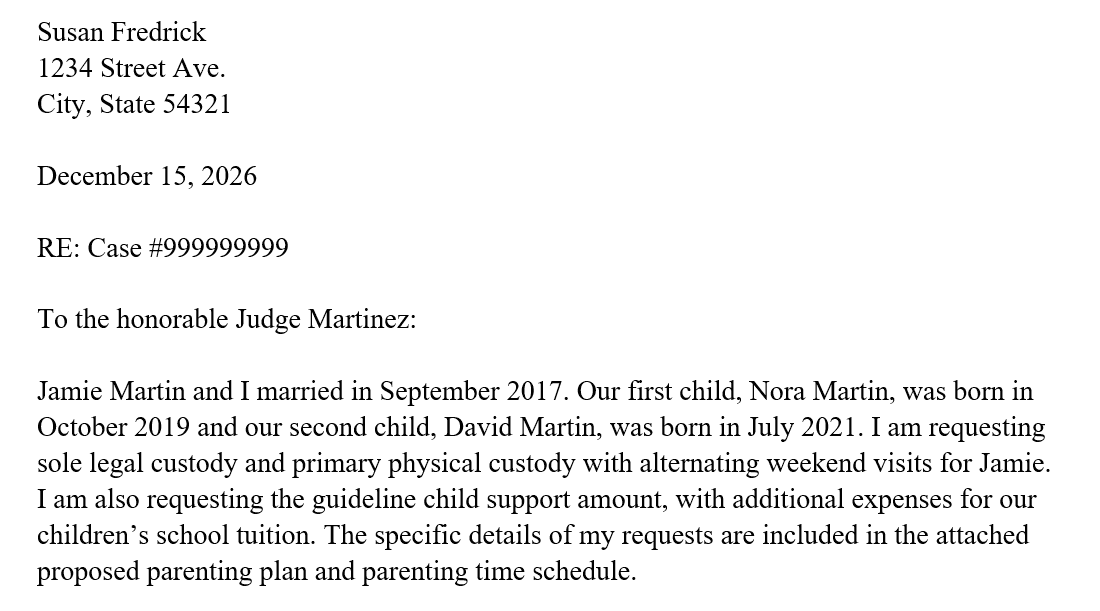
Custody arrangements are not always permanent. Courts may modify orders if there is a substantial change in circumstances, such as:
- Relocation of a parent
- Changes in employment
- Evidence of neglect or misconduct
- Evolving needs of the child
The parent requesting modification must demonstrate that the change serves the child’s best interests.
Visitation and Parenting Time
When one parent has primary physical custody, the other typically receives visitation rights, also called parenting time. Courts aim to establish schedules that:
- Maintain consistency for the child
- Encourage ongoing parent-child relationships
- Reduce conflict between parents
In high-conflict cases, courts may order supervised visitation.
Enforcement of Custody Orders
Failure to comply with custody orders can result in legal consequences. Courts may:
- Hold a parent in contempt
- Modify custody arrangements
- Impose fines or other penalties
Parents must follow court orders unless officially modified.
Special Considerations in Custody Cases
Certain circumstances may complicate custody decisions:
- Relocation across state lines
- International custody disputes
- Military deployment
- Parental incarceration
In such cases, courts carefully examine legal jurisdiction and the child’s stability.
Frequently Asked Questions (FAQs)
1. At what age can a child choose which parent to live with?
In many jurisdictions, a child’s preference may be considered if they are mature enough, but the court makes the final decision based on overall best interests.
2. Does joint custody mean equal time with each parent?
Not necessarily. Joint custody can refer to shared decision-making authority, even if physical time is not evenly split.
3. Can grandparents request visitation rights?
In certain situations, grandparents may petition the court for visitation, particularly if it serves the child’s best interests.
4. What happens if one parent violates a custody order?
The affected parent can file a motion for enforcement. Courts may impose penalties or adjust custody arrangements.
5. How is custody determined if parents were never married?
Unmarried parents generally have the same custody rights, though paternity may need to be legally established first.
6. Can a parent relocate with a child after custody is established?
Relocation often requires court approval, especially if it significantly affects the other parent’s visitation rights.
7. Are custody hearings public?
Family court proceedings are often more private than other court cases, but rules vary by jurisdiction.
Child custody laws are designed to balance parental rights with the child’s well-being. By understanding the legal framework and focusing on the child’s needs, parents can navigate custody matters with greater clarity and responsibility.


